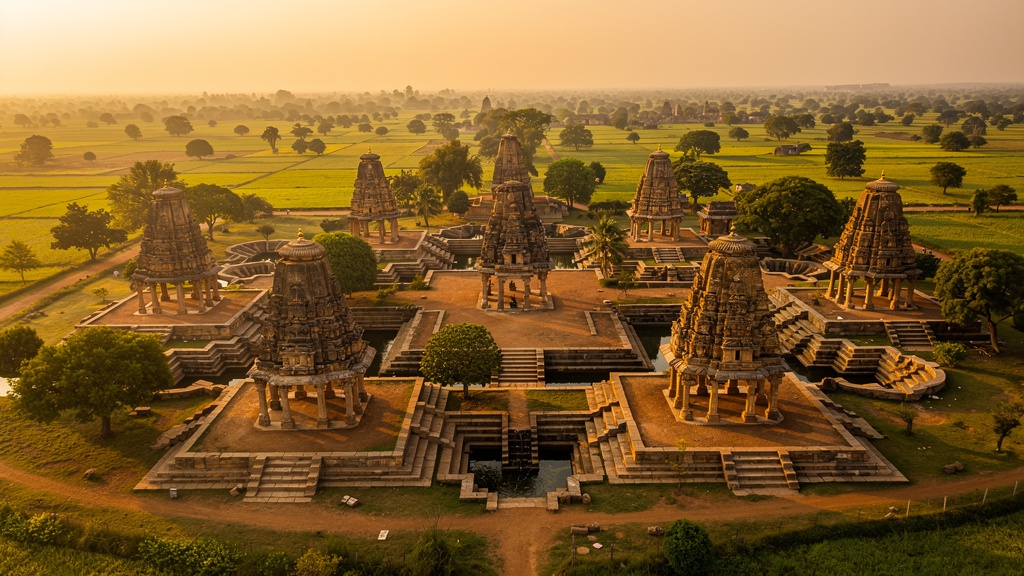
If Hampi is the grand stage of the Vijayanagara empire, then Lakkundi is the intimate workshop of the Chalukyan masters — a village where over 50 temples stand scattered among homes, fields, and ancient stepwells, largely untouched by mass tourism.
Located just 12 km from Gadag town in North Karnataka, Lakkundi (historically known as Lokki Gundi) was a thriving cultural and religious center under the Western Chalukyas (11th–12th century CE). Today, it offers one of the most authentic heritage experiences in Karnataka.
Why Visit Lakkundi?
Unlike the crowded corridors of more famous heritage sites, Lakkundi offers you the rare privilege of exploring magnificent ancient architecture in peace. You can walk among 900-year-old temples without jostling for space, sit by an intricately carved stepwell without tourist noise, and truly connect with the craftsmanship of a bygone era.
The Must-Visit Temples
1. Brahma Jainalaya
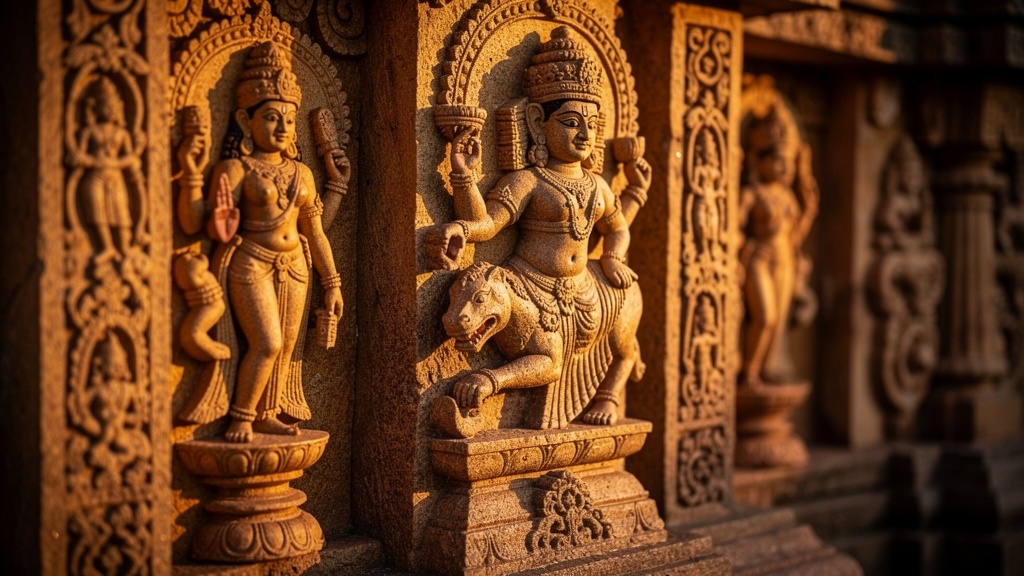
The Brahma Jainalaya is arguably the finest Jain temple in North Karnataka. Built in the 11th century, this temple dedicated to Tirthankara Neminatha is a masterpiece of Chalukyan-Jain architecture. The temple’s black stone pillars, intricately carved sanctum, and ornate ceiling panels leave visitors spellbound. The detailed sculptures on the outer walls depict scenes from Jain mythology and daily life.
2. Kashivishwanatha Temple
Dedicated to Lord Shiva, the Kashivishwanatha Temple is one of the largest and most ornate temples in Lakkundi. Its key features include a beautifully carved doorway, lathe-turned granite pillars, and a stunning Nandi mandapa. The temple’s shikhara (spire) rises elegantly above the surrounding landscape, making it a landmark visible from afar.
3. Manikeshwara Temple
This active temple is still used for worship and features a beautifully carved ceiling with intricate floral motifs. The sanctum houses a Shiva linga, and the outer walls are adorned with sculptures of gods, goddesses, and mythical creatures. The temple’s peaceful atmosphere makes it a wonderful spot for quiet contemplation.
4. Nanneshwara Temple
A slightly smaller but equally beautiful temple, the Nanneshwara features some of the finest floral carvings in Lakkundi. The doorframe is particularly noteworthy, with intricate patterns that showcase the precision of Chalukyan stonework.
The Stepwells (Kalyani)
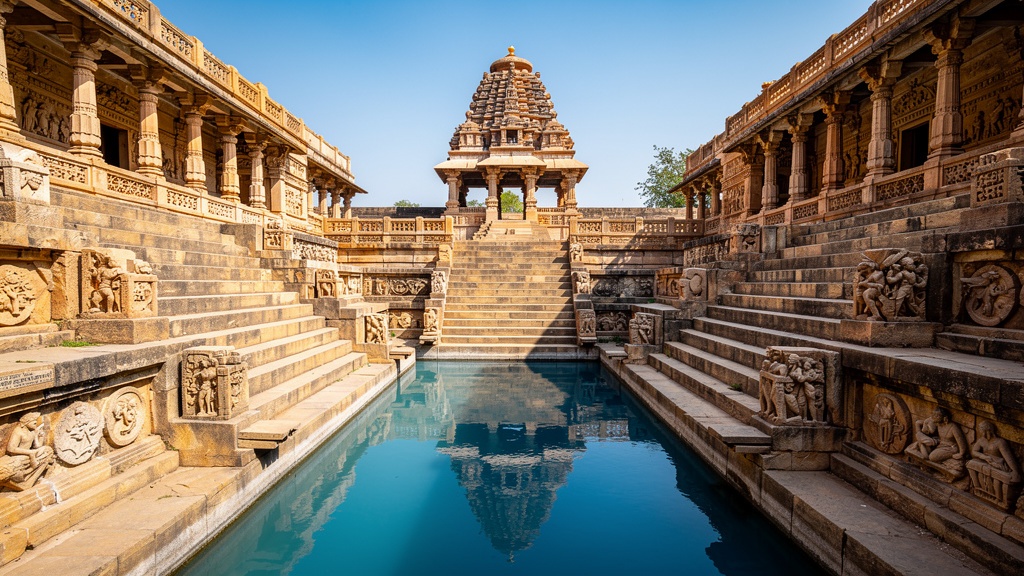
Lakkundi’s stepwells are architectural marvels in their own right. The main Kalyani, located near the temple complex, is a large stepped tank with miniature shrines, pillared corridors, and carvings along the steps. The reflection of the surrounding temples in the water creates a mesmerizing visual.
These stepwells served both practical (water storage) and spiritual (ritual bathing) purposes. The engineering behind them — ensuring water collection, filtration, and access — was remarkably advanced for its time.
Tips for Your Visit
- Start early: Reach Lakkundi by 8:00 AM to avoid the midday heat and enjoy the soft morning light for photography.
- Hire a guide: A local guide can bring the ruins to life with stories and historical context. Guides are available near the main temple complex.
- Wear comfortable shoes: You’ll be walking across uneven terrain, fields, and stone pathways.
- Carry water: There are limited shops in the village. Bring your own water and snacks.
- Allow 2–3 hours: A thorough exploration of the main temples and stepwells takes at least half a day.
- Respect the sites: These are living heritage sites — don’t climb on fragile structures or litter.
How to Reach Lakkundi
Lakkundi is easily accessible from Gadag town. You can hire an auto-rickshaw or taxi from Gadag (₹300–500 round trip). If driving, take the Gadag–Lakkundi road — it’s a scenic 20-minute drive through the countryside. Buses from Gadag to Lakkundi are also available but less frequent.
Combine with Gadag Town
Most visitors combine Lakkundi with the Trikuteshwara Temple complex and Veeranarayana Temple in Gadag town. This makes for a perfect half-day heritage trail. For a full day, add a visit to Kappatagudda hills or Magadi Bird Sanctuary.