Lakkundi — The Village of 50+ Temples
A treasure trove of Chalukyan architecture, ancient stepwells, and timeless heritage just 12 km from Gadag.
A treasure trove of Chalukyan architecture, ancient stepwells, and timeless heritage just 12 km from Gadag.
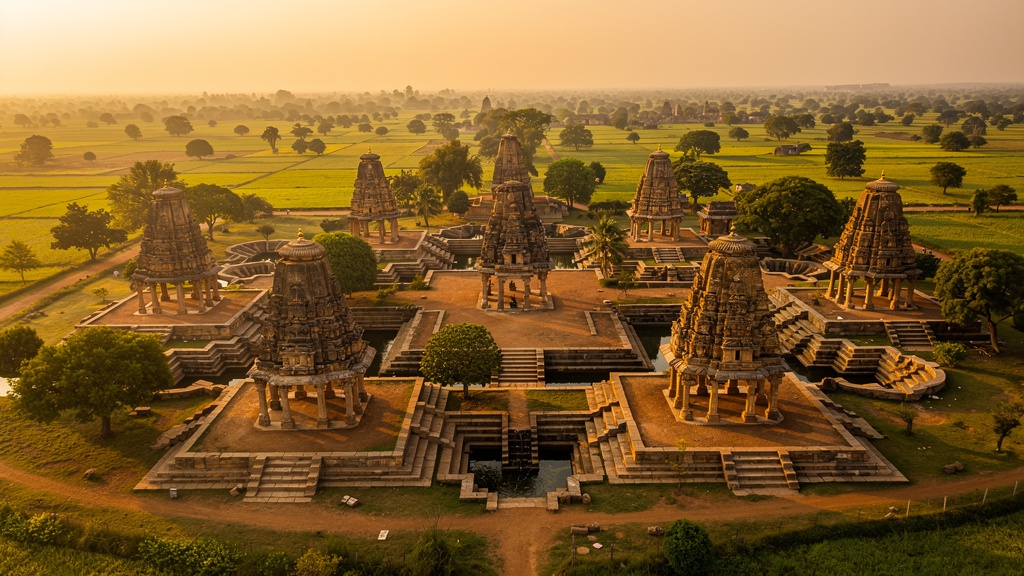
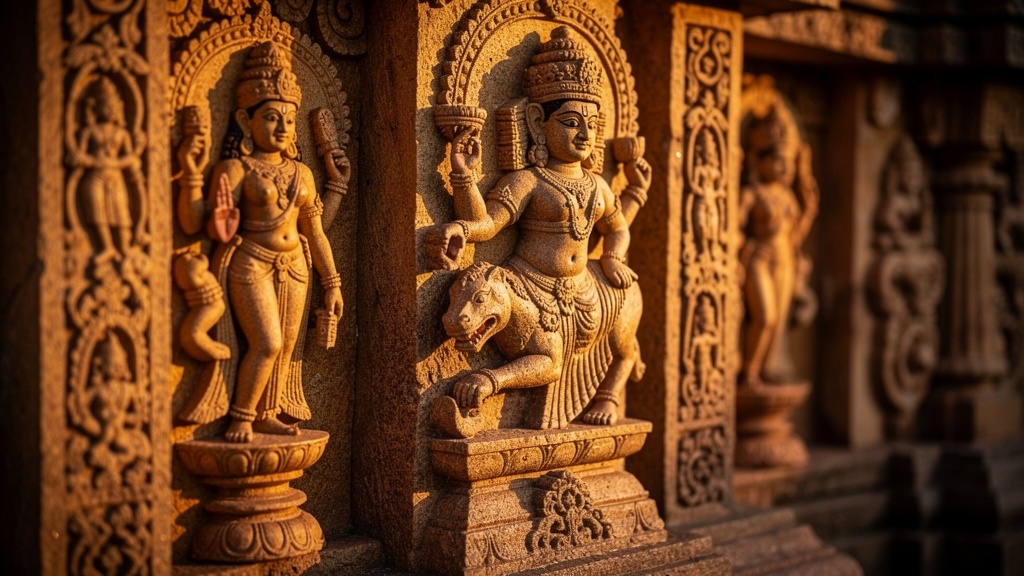
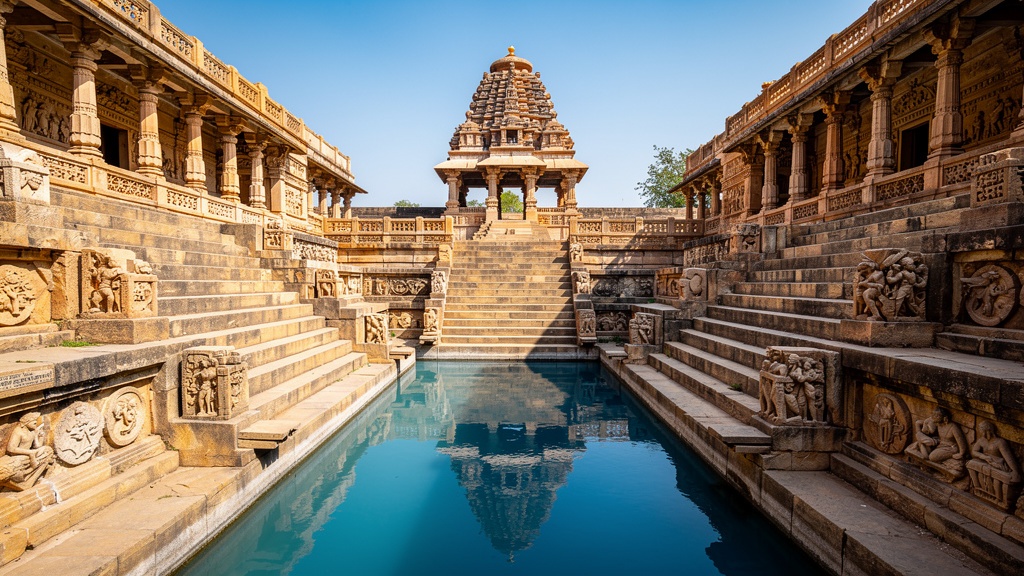
Lakkundi, also known as Lokki Gundi in ancient times, is a historic village in Gadag district that served as an important cultural and religious center under the Western Chalukyas (11th–12th century CE). Often called the “Village of 50+ Temples,” Lakkundi is a paradise for heritage enthusiasts, with exquisite temples, ornate stepwells (kalyani), and Jain basadis spread across its rustic landscape.
Unlike more crowded heritage sites, Lakkundi offers a peaceful, offbeat experience where you can wander among ancient ruins and marvel at the intricate stone craftsmanship at your own pace. Many of the temples are still in active worship, adding a living spiritual dimension to the historical exploration.
Lakkundi flourished during the Western Chalukya Empire and later under the Seuna (Yadava) dynasty. It was a major center of trade, religion, and art. The architecture here represents the transition from the early Chalukyan style to the later Hoysala style, making it incredibly significant for students of Indian temple architecture.
The village boasts over 50 temples dedicated to Shiva, Vishnu, and Jain Tirthankaras, along with several beautifully carved stepwells that showcase the advanced water management systems of the era.
One of the finest Jain temples in Karnataka, the Brahma Jainalaya is dedicated to Tirthankara Neminatha. Built in the 11th century, it features stunning black stone pillars, a beautifully carved sanctum, and intricate ceiling panels. The temple is a masterpiece of Chalukyan-Jain architecture.
Dedicated to Lord Shiva, this temple is known for its ornate doorframe, lathe-turned pillars, and the striking Nandi mandapa. The temple’s shikhara (spire) and the detailed sculptures on the outer walls are particularly noteworthy.
Another gem of Chalukyan architecture, this temple features a beautifully carved ceiling with floral motifs and a well-preserved sanctum. The temple is still active and sees devotees during festivals.
Lakkundi is famous for its ornate stepwells, particularly the large Kalyani near the main temple complex. These stepped water tanks feature miniature shrines, pillared corridors, and intricate carvings along the steps — a testament to the engineering and artistic prowess of the Chalukyan period.
The best way to experience Lakkundi is on foot. A heritage walk through the village lets you discover hidden temples, small shrines, and stepwells nestled among houses and fields. Local guides can share fascinating stories and historical context.